


Installing a stationary beveling machine is a crucial process that ensures the machine operates efficiently and safely. As a stationary beveling machine supplier, I've witnessed firsthand the challenges and rewards associated with this installation. In this blog, I'll guide you through the step - by - step process of installing a stationary beveling machine, highlighting best practices and key considerations along the way.
1. Pre - installation Preparation
Before you even begin the installation of the beveling machine, there are several steps you need to take to ensure a smooth process.
- Location Selection: Choose a suitable location for the machine. The area should be flat, stable, and large enough to accommodate the machine along with some additional space for operator movement. Avoid areas prone to excessive vibrations, moisture, or extreme temperatures. For example, a workshop floor with proper leveling and drainage is ideal.
- Electrical and Utility Checks: Check the electrical requirements of the machine. Our HEM - 1000 CNC Pipe Beveling Machine has specific voltage and amperage needs. Make sure that the electrical supply in the chosen location can meet these specifications. Also, if the machine requires other utilities such as compressed air or coolant, ensure that the necessary connections are available and in good working condition.
- Machine Inspection: Carefully inspect the beveling machine upon arrival. Check for any visible damage during transit. Look at the components, the frame, and the control panel. If you notice any issues, contact the supplier immediately. This step is crucial as it allows you to address any potential problems before installation.
2. Unloading and Moving the Machine
Once all the pre - installation checks are done, it's time to unload and move the machine to its designated location.
- Unloading: Use appropriate lifting equipment such as a forklift or a crane to unload the machine from the transport vehicle. Make sure the lifting points on the machine are properly identified and used. Follow the manufacturer's instructions for safe unloading.
- Moving to Location: Move the machine to the pre - selected location. If the machine is heavy, use a pallet jack or other moving equipment to avoid any strain on the operators. Ensure that the machine is moved smoothly and without any sudden jerks that could damage the internal components.
3. Machine Assembly
Most stationary beveling machines come in parts and need to be assembled on - site. Here's a general guide on how to assemble the machine:
- Frame Assembly: Start by assembling the main frame of the machine. Follow the assembly manual provided by the manufacturer. Use the correct tools and fasteners. Tighten all bolts and nuts to the specified torque values. This ensures the stability of the machine during operation.
- Component Installation: Install the cutting head, motor, control panel, and other components according to the assembly instructions. Make sure all electrical and mechanical connections are properly made. For example, connect the motor to the power supply and the cutting head to the drive mechanism.
- Alignment: After all the components are installed, check the alignment of the machine. The cutting head should be properly aligned with the workpiece path. Use alignment tools such as laser alignment devices or dial indicators to ensure accurate alignment.
4. Electrical and Control Systems Installation
The electrical and control systems are the heart of the stationary beveling machine.
- Wiring: Connect the electrical wires according to the wiring diagram provided in the manual. Use the correct gauge of wires and ensure that all connections are secure. Label the wires for easy identification in case of future maintenance.
- Control Panel Setup: Set up the control panel of the machine. This may involve programming the machine for different beveling operations, setting the speed and feed rates, and configuring the safety features. Our HEM - 600 CNC Pipe Beveling Machine has a user - friendly control panel that simplifies the setup process.
- Safety Interlocks: Install and test all safety interlocks. These interlocks are designed to prevent the machine from operating in unsafe conditions. For example, a door interlock should stop the machine when the access door is opened.
5. Testing and Calibration
After the installation is complete, it's time to test and calibrate the machine.
- Initial Power - on Test: Power on the machine and check for any error messages on the control panel. Listen for any abnormal noises from the motor or other components. If there are any issues, refer to the troubleshooting section of the manual or contact the supplier.
- Functionality Testing: Test all the functions of the machine. Run the cutting head through its full range of motion. Check the speed and feed rates. Try different beveling operations on a test workpiece to ensure that the machine is producing the desired results.
- Calibration: Calibrate the machine to ensure accurate beveling. This may involve adjusting the cutting depth, angle, and other parameters. Use precision measuring tools to verify the accuracy of the beveled edges.
6. Operator Training
Even after a successful installation, the machine's performance depends on the skills of the operator.
- Training Program: Provide comprehensive training to the operators. The training should cover the machine's operation, safety procedures, maintenance requirements, and troubleshooting. Our company offers training programs for operators of our HEM - 800 CNC Pipe Beveling Machine and other models.
- Documentation: Provide the operators with all the necessary documentation, including the user manual, maintenance guide, and safety instructions. Encourage them to refer to these documents regularly.
Conclusion
Installing a stationary beveling machine is a multi - step process that requires careful planning, attention to detail, and adherence to safety procedures. By following the steps outlined in this blog, you can ensure a successful installation and optimal performance of the machine.
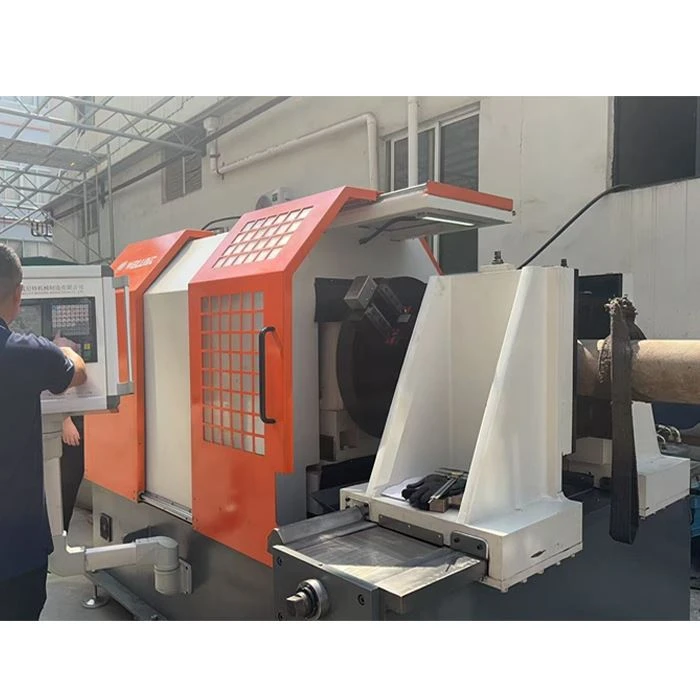

If you're in the market for a high - quality stationary beveling machine or need further assistance with installation, feel free to contact us. We're here to help you make the right choice and ensure a seamless installation process.
References
- Manufacturer's Installation and Operation Manuals
- Industry Standards for Machine Installation and Safety


