


Optimizing the beveling process of an automatic beveling machine is crucial for achieving high - quality bevels efficiently. As a supplier of automatic beveling machines, I have witnessed firsthand the importance of this optimization in various industrial applications. In this blog, I will share some key strategies and techniques to help you get the most out of your automatic beveling machine.
Understanding the Basics of Automatic Beveling Machines
Before delving into optimization techniques, it's essential to understand how automatic beveling machines work. These machines are designed to create bevels on the edges of workpieces, typically pipes or plates. They use a variety of cutting tools, such as carbide inserts or grinding wheels, to remove material and form the desired bevel angle.
The main components of an automatic beveling machine include the cutting head, the drive system, the control panel, and the clamping mechanism. The cutting head holds the cutting tool and moves it along the workpiece to create the bevel. The drive system provides the power to move the cutting head and the workpiece. The control panel allows the operator to set the bevel angle, depth, and other parameters. The clamping mechanism secures the workpiece in place during the beveling process.
Selecting the Right Machine for Your Application
One of the first steps in optimizing the beveling process is to select the right automatic beveling machine for your specific application. Consider factors such as the type of workpiece (pipe or plate), the material of the workpiece (e.g., steel, stainless steel, aluminum), the required bevel angle and depth, and the production volume.
For example, if you are working with pipes, you may want to consider a self - centering pipe cutting and beveling machine. Our SCB - 63 Self - centering Pipe Cutting and Beveling Machine and SCB - 114 Self - centering Pipe Cutting and Beveling Machine are designed to provide precise and efficient beveling of pipes. These machines can handle different pipe diameters and wall thicknesses, and they offer adjustable bevel angles.
Proper Machine Setup
Once you have selected the right machine, proper setup is essential for optimizing the beveling process. Here are some key setup steps:
1. Workpiece Preparation
Ensure that the workpiece is clean and free of any debris, rust, or paint. This will help the cutting tool to perform better and reduce the risk of damage to the tool. If necessary, use a wire brush or a grinder to clean the surface of the workpiece.
2. Tool Selection and Installation
Choose the appropriate cutting tool based on the material of the workpiece and the required bevel quality. Carbide inserts are commonly used for beveling steel and stainless steel workpieces, while grinding wheels may be more suitable for softer materials or when a smooth finish is required.
Install the cutting tool correctly according to the machine's instructions. Make sure that the tool is securely fastened and that the cutting edge is properly aligned.
3. Parameter Setting
Use the control panel to set the bevel angle, depth, feed rate, and other parameters. These settings will depend on the material of the workpiece, the type of cutting tool, and the desired bevel quality. It's a good idea to start with conservative settings and make adjustments as needed based on the test cuts.
Maintenance and Lubrication
Regular maintenance and lubrication of the automatic beveling machine are essential for ensuring its optimal performance and longevity. Here are some maintenance tasks:
1. Cleaning
After each use, clean the machine to remove any chips, dust, or coolant. Use a brush or a compressed air gun to clean the cutting head, the drive system, and other components.
2. Lubrication
Lubricate the moving parts of the machine, such as the guide rails, the ball screws, and the bearings, according to the manufacturer's recommendations. This will reduce friction and wear, and it will help the machine to operate smoothly.
3. Tool Inspection and Replacement
Regularly inspect the cutting tool for wear and damage. Replace the tool when it becomes dull or damaged to ensure consistent bevel quality.
Operator Training
Proper operator training is another important factor in optimizing the beveling process. An experienced and well - trained operator can make the most of the machine's capabilities and ensure high - quality bevels.
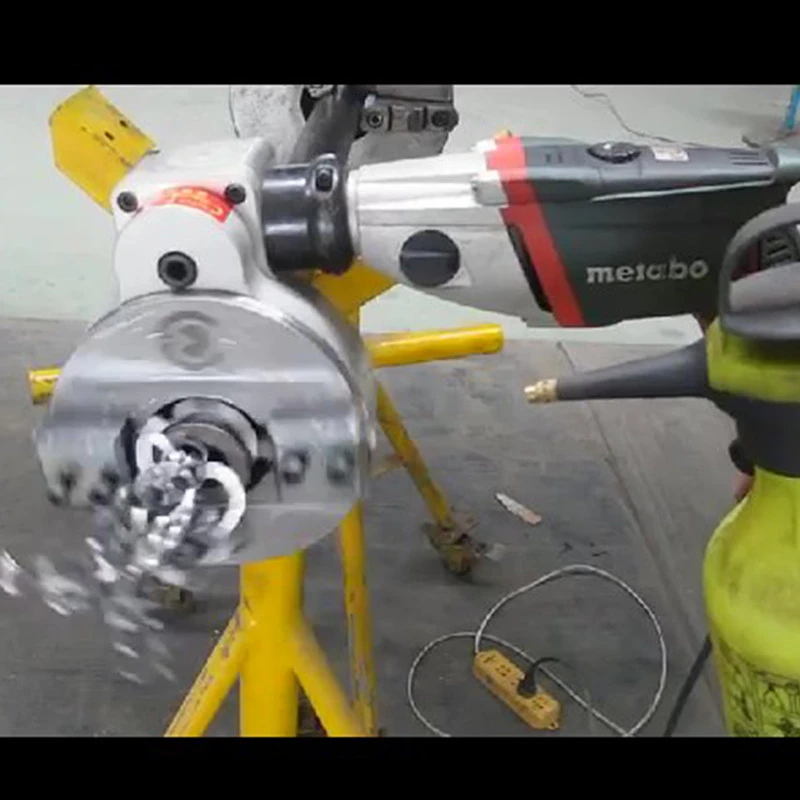

Provide comprehensive training to the operators on how to operate the machine safely and efficiently. The training should cover machine setup, parameter setting, tool selection and installation, maintenance, and troubleshooting. Encourage the operators to follow the machine's operating instructions and safety guidelines at all times.
Quality Control
Implement a quality control system to monitor the bevel quality during the production process. Here are some quality control measures:
1. Visual Inspection
Regularly inspect the beveled workpieces visually for any signs of defects, such as uneven bevels, rough surfaces, or burrs. If any defects are found, take corrective actions immediately.
2. Measurement
Use measuring tools, such as a protractor or a bevel gauge, to measure the bevel angle and depth. Compare the measured values with the required specifications to ensure that the bevels meet the quality standards.
3. Feedback Loop
Establish a feedback loop between the operators and the quality control department. If any quality issues are identified, the operators can make adjustments to the machine settings or the cutting process to improve the bevel quality.
Continuous Improvement
Optimizing the beveling process is an ongoing process. Continuously look for ways to improve the efficiency and quality of the beveling process. Here are some suggestions:
1. Process Analysis
Regularly analyze the beveling process to identify any bottlenecks or areas for improvement. Look at factors such as cycle time, tool life, and bevel quality. Use data analysis techniques to quantify the performance of the process.
2. Technology Upgrades
Stay updated with the latest advancements in automatic beveling machine technology. Consider upgrading your machine or adding new features to improve its performance. For example, some machines now offer advanced control systems that can automatically adjust the cutting parameters based on the workpiece material and dimensions.
3. Supplier Collaboration
Work closely with your machine supplier to get technical support and advice. The supplier may be able to provide you with new cutting tools, software updates, or other solutions to optimize the beveling process.
Conclusion
Optimizing the beveling process of an automatic beveling machine requires a combination of proper machine selection, setup, maintenance, operator training, quality control, and continuous improvement. By following the strategies and techniques outlined in this blog, you can achieve high - quality bevels efficiently and increase the productivity of your beveling operations.
If you are interested in learning more about our automatic beveling machines or if you have any questions about optimizing the beveling process, please feel free to contact us for a consultation. We are committed to providing you with the best solutions for your beveling needs.
References
- Manufacturer's manuals for automatic beveling machines
- Industry standards for beveling quality
- Technical papers on cutting tool technology and beveling processes


