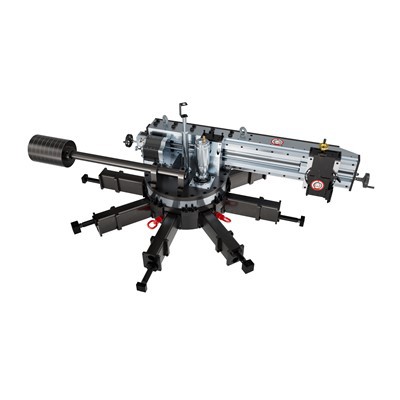
Hey there! As a supplier of portable line boring machines, I often get asked a bunch of questions from customers. One question that pops up quite a bit is, "Can a portable line boring machine be used in wet conditions?" Well, let's dig into this topic and find out.
First off, let's understand what a portable line boring machine is. It's a super handy tool that's used for boring holes in various materials, like metal, wood, and even concrete. It's portable, which means you can take it to different job sites easily. Whether you're working on a construction project, in a manufacturing plant, or doing some repair work, a portable line boring machine can be a real game - changer.
Now, let's talk about wet conditions. Wet conditions can vary from a little bit of moisture in the air to full - on submersion in water. And these different levels of wetness can have different impacts on the portable line boring machine.
Effects of Moisture and Water on the Machine
Electrical Components
Most portable line boring machines have electrical components. These components are the heart of the machine, controlling its speed, power, and other functions. Moisture can be a big problem for these parts. Water is a conductor of electricity, and if it gets into the electrical circuits, it can cause short - circuits. A short - circuit can damage the electrical components, and in some cases, it can even be a safety hazard. For example, if you're using the machine in a wet environment and water seeps into the control panel, it could lead to a sudden loss of power or, worse, an electrical shock.


Mechanical Parts
The mechanical parts of the portable line boring machine, like the gears, bearings, and shafts, are also at risk in wet conditions. Water can cause rust and corrosion. Rust is basically the oxidation of metal, and it weakens the metal over time. If the gears or bearings start to rust, they won't work as smoothly as they should. This can lead to increased friction, which means the machine has to work harder. As a result, the machine may overheat, and its lifespan can be significantly reduced.
Cutting Tools
The cutting tools on a portable line boring machine are crucial for getting the job done. In wet conditions, the cutting tools can be affected in a couple of ways. First, water can change the way the cutting tool interacts with the material. It might make the chips produced during the boring process stick to the tool, which can reduce its cutting efficiency. Second, water can also cause the cutting edge of the tool to corrode. A corroded cutting edge won't be as sharp, and it will take longer to bore through the material.
Using the Machine in Damp Conditions
If the wet conditions are just damp, like a little bit of moisture in the air or some light rain, there are some precautions you can take to use the portable line boring machine safely.
Protection of Electrical Components
You can use waterproof covers or enclosures for the electrical parts of the machine. These covers are designed to keep water out while still allowing the machine to operate. Make sure the covers fit properly and are sealed well. Also, check the electrical cords regularly for any signs of damage or moisture penetration.
Lubrication of Mechanical Parts
Proper lubrication is key in damp conditions. Lubricants create a protective layer between the metal parts, preventing water from coming into direct contact with them. Before using the machine in damp conditions, make sure to apply a high - quality lubricant to all the moving parts. And don't forget to clean and re - lubricate the parts regularly.
Selection of Cutting Tools
Choose cutting tools that are more resistant to corrosion. Some cutting tools are made from special materials that can withstand the effects of moisture better. For example, carbide - tipped cutting tools are often more corrosion - resistant than regular steel cutting tools.
Using the Machine in Submerged Conditions
Using a portable line boring machine in fully submerged conditions is a whole different ballgame. In most cases, standard portable line boring machines are not designed for this. However, there are some specially designed machines that can be used underwater.
These underwater - capable machines are built with waterproof electrical components and corrosion - resistant materials. They are sealed tightly to prevent water from getting inside. But even these machines need to be maintained properly. After each use underwater, they should be thoroughly cleaned and inspected for any signs of damage.
Our Product Range
At our company, we offer a variety of portable line boring machines. We have Boring and Welding Machine, which combines the functions of boring and welding, making it a versatile tool for many applications. Our Portable Shaft - end Lathe is great for precision work on shafts. And our Boring Welding Machine is designed to provide high - quality boring and welding results.
Conclusion
So, can a portable line boring machine be used in wet conditions? The answer is, it depends. In damp conditions, with proper precautions, it's possible to use the machine safely and effectively. But in fully submerged conditions, you need a specially designed machine.
If you're in the market for a portable line boring machine, or you have any questions about using these machines in wet conditions, don't hesitate to reach out. We're here to help you find the right machine for your needs and give you all the advice you need. Whether you're a professional in the industry or a DIY enthusiast, we've got you covered.
References
- "Handbook of Machine Tools and Manufacturing Processes"
- "Industrial Machinery Maintenance Guide"
- "Cutting Tools and Their Applications"