


Air motors are a crucial component in various industrial applications, offering unique advantages such as high power - to - weight ratio, explosion - proof capabilities, and ease of control. As an air motor supplier with years of experience in the industry, I understand the importance of air supply quality for the optimal performance and longevity of air motors. In this blog, we will delve into the specific air supply quality requirements for air motors.
1. Cleanliness of the Air Supply
One of the primary factors affecting air motor performance is the cleanliness of the air supply. Contaminants in the air can cause significant damage to the internal components of the air motor.
Particulate Matter
Particulate matter in the air, such as dust, dirt, and metal shavings, can act as abrasives. When these particles enter the air motor, they can scratch the surfaces of pistons, vanes, and other moving parts. This abrasion leads to increased wear and tear, reducing the efficiency of the motor and potentially causing premature failure.
To prevent particulate contamination, it is recommended to install air filters in the air supply line. A high - quality air filter can effectively trap particles of various sizes. For most air motors, a filter with a rating of 5 - 25 microns is suitable. However, in environments with extremely high levels of dust or fine particulate matter, a filter with a smaller micron rating may be required.
Oil and Water
Oil and water in the compressed air can also pose problems for air motors. Water can cause corrosion of the internal components, especially in motors made of metal. Corrosion weakens the parts, leading to leaks and reduced performance. Oil, on the other hand, can accumulate on the motor's internal surfaces, creating a sticky residue that restricts the movement of components.
To remove oil and water from the air supply, coalescing filters and air dryers are commonly used. Coalescing filters can separate oil droplets from the air, while air dryers reduce the moisture content in the air. Refrigerated dryers are a popular choice for general industrial applications, as they can effectively lower the dew point of the air to around 3 - 5°C.
2. Pressure Stability of the Air Supply
The air motor's performance is highly dependent on the stability of the air supply pressure.
Constant Pressure Requirement
Air motors are designed to operate within a specific pressure range. Fluctuations in the air supply pressure can lead to inconsistent motor performance. For example, if the pressure drops below the recommended level, the motor may not generate sufficient power to drive the load. Conversely, if the pressure exceeds the rated value, it can cause excessive stress on the motor's components, leading to accelerated wear and potential damage.

To ensure pressure stability, pressure regulators should be installed in the air supply line. A pressure regulator can maintain a constant output pressure, regardless of variations in the input pressure. It is important to select a pressure regulator with a suitable flow capacity and accuracy for the specific air motor application.
Pressure Fluctuation and its Impact
Even small and rapid pressure fluctuations can have a negative impact on air motor performance. These fluctuations can cause vibrations in the motor, which not only affect the smooth operation of the motor but also increase noise levels. Over time, the continuous vibrations can loosen connections and fasteners, leading to mechanical failures.
3. Temperature of the Air Supply
The temperature of the air supply also plays a vital role in the performance and lifespan of air motors.
Optimal Temperature Range
Air motors typically operate best within a certain temperature range. High - temperature air can cause the lubricants inside the motor to break down more quickly, reducing their effectiveness in reducing friction and wear. Additionally, high temperatures can lead to thermal expansion of the motor's components, which may cause clearances to change and affect the motor's performance.
On the other hand, extremely cold air can cause the viscosity of the lubricants to increase, making it more difficult for the moving parts to operate smoothly. Most air motors are designed to operate in an air temperature range of - 20°C to 60°C.
Cooling and Heating Measures
In applications where the air supply temperature is outside the optimal range, appropriate cooling or heating measures may be required. For high - temperature environments, air coolers can be installed in the air supply line to lower the air temperature. In cold environments, air heaters can be used to raise the temperature of the air to a suitable level.
4. Lubrication in the Air Supply
Proper lubrication is essential for the smooth operation of air motors.
Lubricant Type and Quantity
The type of lubricant used in the air supply depends on the specific requirements of the air motor. Generally, a light - weight, high - quality lubricating oil is recommended. The quantity of lubricant also needs to be carefully controlled. Too little lubricant can result in increased friction between the moving parts, leading to wear and reduced efficiency. Too much lubricant can cause excessive oil accumulation inside the motor, as mentioned earlier.
Lubrication Systems
There are different types of lubrication systems available for air motors. One common method is to use an oil - mist lubricator in the air supply line. The oil - mist lubricator injects a fine mist of oil into the compressed air, which is then carried into the air motor. This ensures that the moving parts are continuously lubricated during operation.
Applications of Air Motors and Air Supply Quality
Air motors are widely used in various industrial applications, and the air supply quality requirements may vary depending on the specific application.
In Flange End Processing Machines
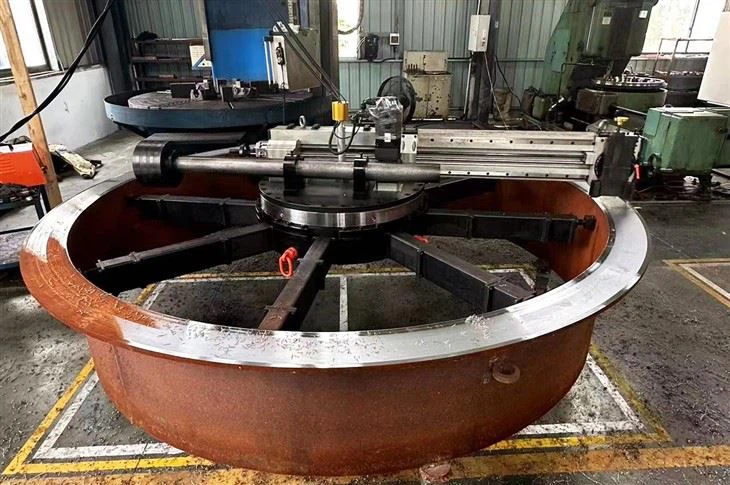
For example, in WFP - 3000 Pneumatic Internal Expansion Flange End Processing Machine, Pneumatic Internal Expansion Flange End Processing Machine, and Pneumatic External Clamp Flange End Processing Machine, air motors are used to drive the cutting tools. In these applications, a high - quality air supply is crucial to ensure precise and efficient machining. Any contamination, pressure instability, or improper lubrication can lead to poor machining quality, tool wear, and even machine breakdown.
Conclusion
In conclusion, maintaining the proper air supply quality is essential for the optimal performance and longevity of air motors. Clean, dry, and properly lubricated air with stable pressure and temperature within the recommended range is necessary. As an air motor supplier, we are committed to providing high - quality air motors and also offer professional advice on air supply quality management.
If you are in need of air motors for your industrial applications, or if you have any questions regarding air supply quality requirements, we encourage you to contact us for procurement and further discussion. We have a team of experts who can help you select the right air motor and ensure that it operates under the best conditions.
References
- Compressed Air and Gas Handbook, 5th Edition
- Industrial Air Motor Design and Application Guide
- Standards for Compressed Air Quality in Industrial Applications


