Hey there! As a supplier of pipe chamfering machines, I often get asked about troubleshooting when these machines start showing low cutting efficiency. It can be frustrating for operators, but don't worry — I've got some tips and tricks to help you figure out what's going on and get your machine back in top - notch shape.
First things first, let's talk about the possible causes of low cutting efficiency. One of the most common culprits is a dull cutting tool. Just like when you're using a kitchen knife, a sharp tool makes a huge difference. Over time, the cutting edge of the tool on your pipe chamfering machine can wear out. The constant friction during the chamfering process will take its toll. If you notice that the machine seems to be struggling to cut through the pipe and the chamfer quality isn't as good as it used to be, a dull tool is likely the issue. To check this, take a close look at the cutting edge. If it looks rough, chipped, or has a rounded shape instead of being sharp, it's time for a replacement.
Another possible cause is improper tool alignment. The cutting tool needs to be properly aligned with the pipe to ensure efficient cutting. If the tool is misaligned, it won't make proper contact with the pipe surface, leading to low cutting efficiency. You can check the alignment by using a precision measuring tool. If you find that the tool is out of alignment, you'll need to adjust it according to the machine's manual. Sometimes, even a small misalignment can have a big impact on the cutting performance.
The speed and feed rate settings also play a crucial role in cutting efficiency. If the speed is too low, the tool may not be able to cut through the pipe quickly enough, and if it's too high, the tool can overheat and wear out faster. The feed rate, which is how fast the tool moves along the pipe, needs to be balanced as well. If the feed rate is too slow, the cutting process will take forever, and if it's too fast, the machine may not be able to handle the load, leading to poor cutting quality. You'll need to refer to the manufacturer's recommendations for the appropriate speed and feed rate settings based on the type and thickness of the pipe you're working with.
The material of the pipe itself can also affect cutting efficiency. Different pipe materials have different hardness and abrasiveness. For example, stainless steel pipes are generally harder to cut than mild steel pipes. If you're trying to use a machine and tool that are designed for softer materials on a harder pipe, you're going to run into problems. Make sure you're using the right cutting tool and machine settings for the specific pipe material.


Now, let's talk about some solutions. If the cutting tool is dull, replacing it is the obvious first step. Make sure to use high - quality replacement tools that are compatible with your pipe chamfering machine. You can usually find the recommended tools from the machine's manufacturer.
For tool alignment issues, follow the steps in the machine's manual to adjust the alignment. This may involve loosening some bolts, making small adjustments, and then tightening the bolts back up. It's a good idea to double - check the alignment after making any adjustments to ensure it's correct.
When it comes to speed and feed rate settings, start by referring to the manufacturer's guidelines. If you're still not getting the desired results, you may need to do some trial and error. Make small adjustments to the speed and feed rate one at a time and observe the cutting performance. Keep a record of the settings and the results so you can find the optimal combination.
If the pipe material is causing problems, consider upgrading your cutting tool to one that's specifically designed for the harder or more abrasive material. You may also need to adjust the machine's settings, such as increasing the cutting speed slightly or reducing the feed rate.
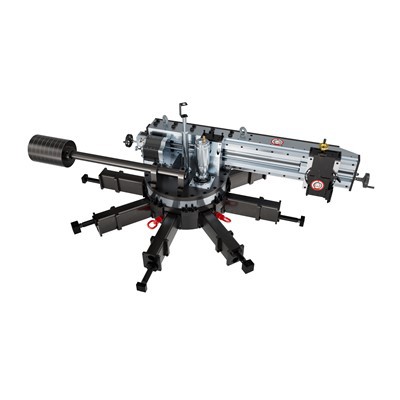
Let me introduce you to our PBM - 20 Unlimited Pipe Beveling Machine. This machine is a great option for all your pipe chamfering needs. It's built with high - quality components and offers a wide range of speed and feed rate settings, making it versatile for different pipe materials and thicknesses.
If you're experiencing low cutting efficiency with your current pipe chamfering machine and you're thinking about an upgrade, or if you just need some more advice on troubleshooting, don't hesitate to reach out. We're here to help you get the most out of your pipe chamfering operations. Whether you're a small workshop or a large industrial facility, we can provide the right solutions for you.
To sum it up, troubleshooting low cutting efficiency in a pipe chamfering machine involves checking the cutting tool, alignment, speed and feed rate settings, and the pipe material. By identifying the problem and taking the appropriate actions, you can get your machine working efficiently again.
If you have any questions, concerns, or you're interested in purchasing a pipe chamfering machine or replacement parts, feel free to contact us. We're always happy to have a chat and discuss how we can help you improve your pipe chamfering process.
References
- Manufacturer's manuals of pipe chamfering machines
- Industry best - practices guides for pipe chamfering operations