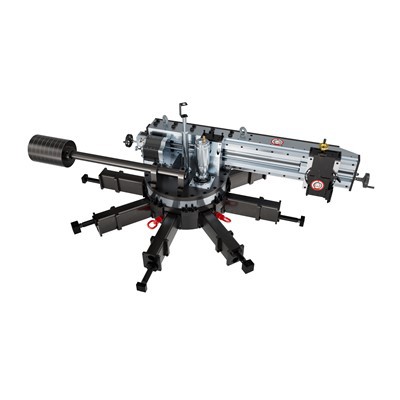
Hey there! As a supplier of pipe chamfering machines, I often get asked about the lubrication these machines need. Lubrication is super important for the smooth operation and longevity of a pipe chamfering machine. Let's dive into what kind of lubrication is required and why it matters.
First off, let's understand the basic working of a pipe chamfering machine. These machines are used to create a bevel or chamfer on the edges of pipes. This is crucial for various applications, like welding, where a proper chamfer ensures a better joint. The cutting tools in the machine rotate at high speeds and come in contact with the pipe material. This generates a lot of friction and heat. That's where lubrication steps in.
One of the most common types of lubrication used in pipe chamfering machines is cutting fluid. Cutting fluid serves multiple purposes. It cools down the cutting tools and the workpiece. When the tools get too hot, they can wear out quickly, and the quality of the chamfer can be affected. The cutting fluid also reduces friction between the tool and the pipe. Less friction means smoother cutting, less power consumption, and a longer lifespan for the tools.
There are different kinds of cutting fluids available. Water - based cutting fluids are quite popular. They are cost - effective and have good cooling properties. They also have some lubricating abilities. However, they need to be properly maintained. Bacteria can grow in water - based cutting fluids over time, so additives are often used to prevent this.
On the other hand, oil - based cutting fluids offer excellent lubrication. They can handle high - pressure and high - temperature situations better than water - based fluids. They also provide a protective layer on the cutting tools, preventing corrosion. But oil - based cutting fluids can be a bit messy and more expensive.
Another important aspect of lubrication is the lubrication of the moving parts in the machine. The gears, bearings, and other mechanical components need proper lubrication to function smoothly. For these parts, a high - quality grease or oil is used. Grease is often preferred for bearings because it stays in place better and provides long - term lubrication. It forms a thick film that protects the bearing surfaces from wear and tear.
When it comes to gears, an appropriate gear oil is used. Gear oil has the right viscosity to ensure smooth meshing of the gears. It also helps in reducing noise and vibration in the machine. The viscosity of the lubricant is a key factor. If the viscosity is too low, the lubricant may not provide enough protection. If it's too high, it can cause excessive drag and increase power consumption.
Now, let's talk about how to apply the lubrication. For cutting fluids, they are usually applied through a pump system. The fluid is sprayed directly onto the cutting area. This ensures that the cutting tools and the workpiece are constantly cooled and lubricated during the chamfering process.


For the moving parts, lubrication can be done manually or through an automatic lubrication system. Manual lubrication involves applying the grease or oil at regular intervals using a grease gun or an oil can. Automatic lubrication systems, on the other hand, can be set to dispense the right amount of lubricant at the right time. This helps in maintaining consistent lubrication and reduces the risk of human error.
Proper lubrication also has an impact on the quality of the chamfered pipes. When the machine is well - lubricated, the cutting process is more precise. The edges of the pipes are smoother, and there are fewer burrs. This means that less post - processing is required, saving time and money.
In addition to improving the quality of the chamfer, lubrication also reduces the maintenance requirements of the machine. Well - lubricated components are less likely to break down, which means fewer repairs and less downtime. This is especially important for businesses that rely on pipe chamfering machines for their daily operations.
As a supplier, I always recommend using high - quality lubricants. Cheaper lubricants may seem like a good option in the short run, but they can cause more problems in the long term. They may not provide adequate protection, leading to premature wear and tear of the machine parts.
Now, if you're in the market for a top - notch pipe chamfering machine, check out our PBM - 20 Unlimited Pipe Beveling Machine. It's a great machine that offers high - precision chamfering. And of course, make sure you use the right lubrication for it to get the best performance.
If you have any questions about pipe chamfering machines or lubrication, don't hesitate to reach out. Whether you're a small workshop or a large industrial facility, we can help you find the right solutions for your needs. Contact us to start a discussion about your requirements and let's work together to get the best results for your pipe chamfering operations.
References:
- "Machinery's Handbook" - A comprehensive guide on machine tools and their operation, which includes information on lubrication.
- Industry reports on pipe chamfering machine maintenance and lubrication best practices.