


In the industrial sector, pipes with high - temperature resistance requirements are widely used in various critical applications such as power generation, chemical processing, and oil and gas industries. These pipes are designed to withstand extreme temperatures, often in harsh environments. As a supplier of stationary pipe cutting beveling machines, I am frequently asked whether our machines can be used for these high - temperature - resistant pipes. In this blog, I will explore this question in detail.
Understanding High - Temperature - Resistant Pipes
High - temperature - resistant pipes are typically made from special materials such as stainless steel alloys, nickel - based alloys, and ceramic - lined materials. These materials have unique properties that allow them to maintain their structural integrity and performance at elevated temperatures. For example, stainless steel alloys like 316L and 321 can resist oxidation and corrosion at high temperatures, while nickel - based alloys such as Inconel and Hastelloy offer excellent strength and resistance to thermal fatigue.
The high - temperature environments where these pipes are used can range from a few hundred degrees Celsius to over a thousand degrees Celsius. In power plants, for instance, steam pipes need to withstand temperatures up to 600 - 700°C, while in some chemical processes, pipes may be exposed to even higher temperatures.
Capabilities of Stationary Pipe Cutting Beveling Machines
Stationary pipe cutting beveling machines are designed to perform two main functions: cutting pipes to the desired length and creating bevels on the pipe ends. These machines use various cutting and beveling methods, such as mechanical cutting, plasma cutting, and oxy - fuel cutting.
Mechanical Cutting
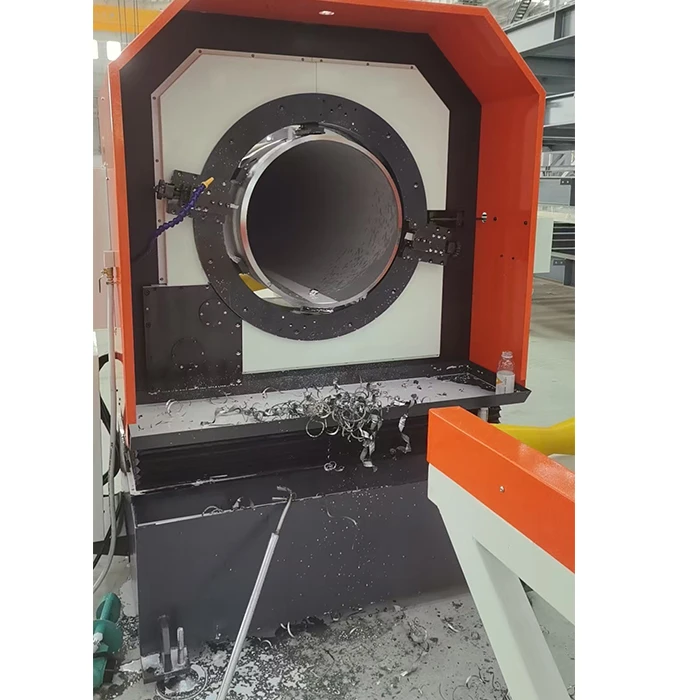
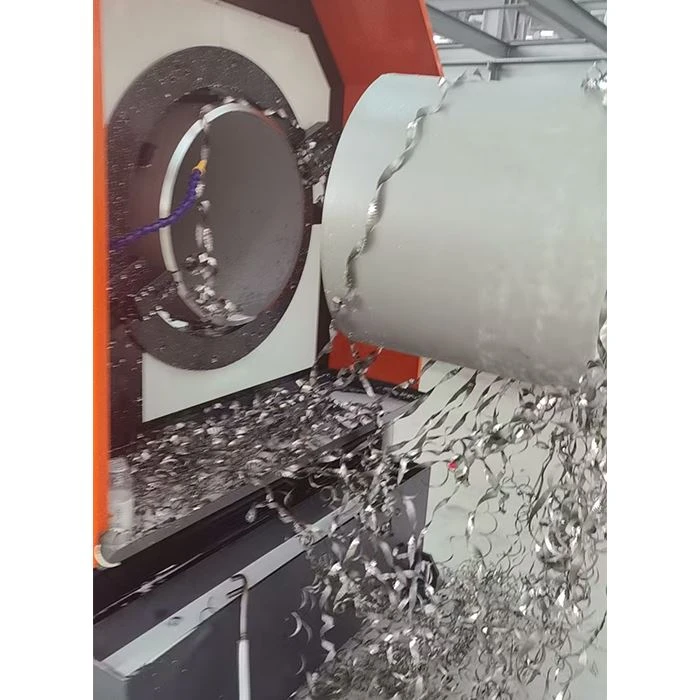
Mechanical cutting methods, such as sawing or milling, are commonly used in stationary pipe cutting beveling machines. These methods are suitable for a wide range of pipe materials, including high - temperature - resistant alloys. For example, our TCM - 630 Desktop Pipe Cutting and Beveling Machine uses a high - speed saw blade to cut pipes with precision. The mechanical force applied during cutting is carefully controlled to ensure a clean cut without causing excessive heat generation that could damage the high - temperature - resistant properties of the pipe material.
Plasma Cutting
Plasma cutting is another popular method used in stationary pipe cutting beveling machines. Plasma cutting uses a high - velocity jet of ionized gas to melt and remove the pipe material. This method is fast and can cut through thick pipes with ease. However, the high heat generated during plasma cutting can potentially affect the microstructure of high - temperature - resistant materials. To mitigate this issue, modern plasma cutting systems are equipped with advanced cooling and control technologies. Our TCM - 426 Desktop Pipe Cutting and Beveling Machine uses a precision - controlled plasma cutting system that minimizes heat input and ensures a high - quality cut on high - temperature - resistant pipes.
Oxy - Fuel Cutting
Oxy - fuel cutting is a traditional method that uses a mixture of oxygen and fuel gas to burn through the pipe material. This method is suitable for carbon steel pipes but may not be ideal for some high - temperature - resistant alloys. The high heat and oxidation associated with oxy - fuel cutting can cause changes in the material properties of certain alloys, leading to reduced performance. However, for pipes made from materials that are compatible with oxy - fuel cutting, our TCM - 325 Desktop Pipe Cutting and Beveling Machine can provide a reliable and cost - effective cutting solution.
Considerations for Using Stationary Pipe Cutting Beveling Machines on High - Temperature - Resistant Pipes
When using stationary pipe cutting beveling machines on high - temperature - resistant pipes, several factors need to be considered:
Material Compatibility
As mentioned earlier, different cutting methods are suitable for different pipe materials. It is crucial to choose the right cutting method based on the specific high - temperature - resistant alloy used in the pipe. For example, mechanical cutting is generally a safe option for most alloys, while plasma cutting may require careful parameter adjustment for some sensitive materials.
Heat Affected Zone (HAZ)
The heat generated during cutting can create a heat - affected zone (HAZ) in the pipe material. In high - temperature - resistant pipes, the HAZ can potentially reduce the material's resistance to high temperatures and corrosion. To minimize the HAZ, modern stationary pipe cutting beveling machines use advanced cooling and control technologies. For example, some machines use water - cooled cutting heads or pulsed cutting techniques to reduce heat input.
Precision and Quality
High - temperature - resistant pipes often require high - precision cutting and beveling to ensure proper fit and connection in the final installation. Stationary pipe cutting beveling machines are designed to provide accurate cutting and beveling angles, which is essential for maintaining the integrity of the pipe system. Our machines are equipped with advanced control systems and precision components to ensure consistent quality and accuracy.
Case Studies
Let's look at some real - world examples of using stationary pipe cutting beveling machines on high - temperature - resistant pipes.
Power Generation Project
In a recent power generation project, our TCM - 630 Desktop Pipe Cutting and Beveling Machine was used to cut and bevel stainless steel pipes with high - temperature resistance requirements. The pipes were part of the steam distribution system in a power plant and needed to withstand temperatures up to around 650°C. By using mechanical cutting, we were able to achieve clean cuts and precise bevels without affecting the material's high - temperature properties. The project was completed on time, and the pipes have been performing well since installation.
Chemical Processing Plant
In a chemical processing plant, our TCM - 426 Desktop Pipe Cutting and Beveling Machine was used to cut and bevel nickel - based alloy pipes. These pipes were exposed to high - temperature and corrosive chemicals in the plant's reaction vessels. The plasma cutting system on the TCM - 426 was carefully calibrated to minimize the heat affected zone and ensure the pipes' long - term performance. The cut and beveled pipes were installed successfully, and the plant has reported no issues with the pipe connections.
Conclusion
In conclusion, stationary pipe cutting beveling machines can be used for pipes with high - temperature resistance requirements. However, it is essential to choose the right machine and cutting method based on the specific pipe material and application. By considering factors such as material compatibility, heat affected zone, and precision, these machines can provide reliable and high - quality cutting and beveling solutions for high - temperature - resistant pipes.
If you are in need of a stationary pipe cutting beveling machine for your high - temperature - resistant pipe projects, please feel free to contact us. We have a team of experts who can provide you with detailed information and guidance on choosing the most suitable machine for your needs. Let's start a discussion and find the best solution for your pipe cutting and beveling requirements.
References
- ASM Handbook Volume 1: Properties and Selection: Irons, Steels, and High - Performance Alloys. ASM International.
- Pipe Fabrication and Welding Handbook. The Welding Institute.
- High - Temperature Materials and Coatings for Energy Applications. Woodhead Publishing.


