


Hey there! As a supplier of plate beveling machines, I often get asked about the installation requirements for these machines in a workshop. It's a crucial topic because getting the installation right is the first step towards ensuring the machine runs smoothly and efficiently. So, let's dive into what you need to know when installing a plate beveling machine in your workshop.
Location and Space
First things first, you need to pick the right spot in your workshop. The area should be large enough to accommodate the machine and allow for easy movement around it. You don't want to end up in a situation where you're cramped and can't access different parts of the machine for maintenance or operation.
For example, if you're installing a Multifunctional Beveling Machine, it might have a larger footprint compared to a smaller model. So, measure the dimensions of the machine before you choose a location. You should also leave some extra space around the machine for loading and unloading plates. A good rule of thumb is to have at least a couple of feet of clearance on all sides.
The floor in the installation area needs to be level and sturdy. Uneven floors can cause the machine to vibrate during operation, which not only affects the quality of the beveling but can also lead to premature wear and tear of the machine components. If your workshop floor isn't level, you might need to use shims or leveling feet to adjust the machine.
Power Supply
Next up is the power supply. Plate beveling machines typically require a specific voltage and amperage to operate properly. You need to make sure that your workshop's electrical system can handle the power requirements of the machine.
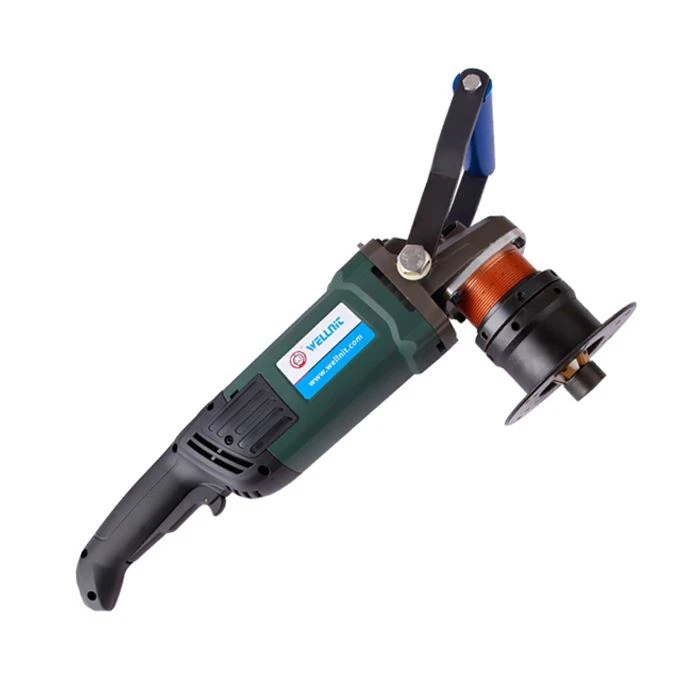

Check the machine's manual for the exact power specifications. If your workshop's electrical system can't provide the necessary power, you might need to upgrade it. It's also a good idea to have a dedicated circuit for the plate beveling machine to avoid overloading other electrical equipment in the workshop.
For instance, the PB - 100 Automatic traveling steel plate beveling machine has its own power requirements. Make sure you have the right electrical setup before you start the installation.
Ventilation
Plate beveling generates a lot of dust and debris. Without proper ventilation, these particles can accumulate in the workshop, posing a health risk to your workers and potentially damaging other equipment.
You should have a ventilation system in place that can effectively remove the dust and fumes from the work area. This could be a local exhaust ventilation system that captures the dust at the source or a general ventilation system for the entire workshop.
If you're using a Straight Beveling Machine, it's especially important to have good ventilation because the beveling process can create a significant amount of dust.
Safety Measures
Safety is always a top priority when installing and operating any machinery. You need to ensure that there are proper safety guards and barriers around the plate beveling machine. These guards protect workers from moving parts, flying debris, and other potential hazards.
The machine should also be equipped with emergency stop buttons that are easily accessible. In case of an emergency, workers can quickly stop the machine to prevent accidents.
It's also a good idea to provide personal protective equipment (PPE) for your workers, such as safety glasses, ear protection, and dust masks.
Installation and Assembly
Once you've got the location, power supply, ventilation, and safety measures sorted, it's time to install and assemble the machine. Follow the manufacturer's instructions carefully. Most plate beveling machines come with detailed installation guides that will walk you through the process step by step.
If you're not confident in your ability to install the machine yourself, it's a good idea to hire a professional. A professional installer has the experience and knowledge to ensure that the machine is installed correctly and safely.
Maintenance and Training
After the installation is complete, you need to establish a maintenance schedule for the machine. Regular maintenance helps to keep the machine in good working condition and extends its lifespan.
You should also provide training for your workers on how to operate the plate beveling machine safely and efficiently. This training should cover everything from basic machine operation to troubleshooting common problems.
Connect and Purchase
If you're interested in purchasing a plate beveling machine for your workshop, I'd love to have a chat with you. We offer a wide range of high - quality plate beveling machines, including the ones I've mentioned above. Whether you need a multifunctional machine for complex beveling tasks or a straight beveling machine for more straightforward jobs, we've got you covered. Don't hesitate to reach out and start a conversation about your specific requirements.
References
- Manufacturer's manuals for plate beveling machines
- Industry standards for workshop safety and machinery installation


