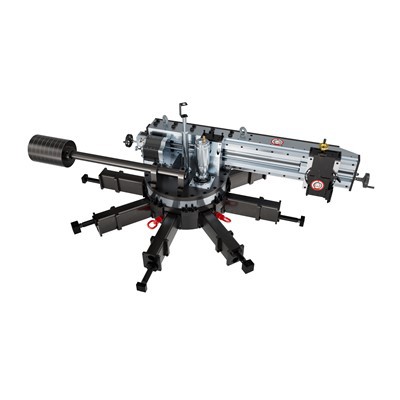
A flange facer is a specialized machine tool used in various industries to machine the faces of flanges to ensure proper sealing, alignment, and connection between pipes, valves, and other components in a piping system. As a leading supplier of flange facers, I'm excited to delve into the details of what a flange facer is, its types, applications, and the benefits it offers.
What is a Flange?
Before we dive into flange facers, it's essential to understand what a flange is. A flange is a flat, circular disk with holes around its perimeter, used to connect two pipes, valves, pumps, or other equipment to form a piping system. Flanges are crucial in ensuring a secure and leak - tight connection. They come in different sizes, materials, and pressure ratings to suit various industrial applications.
What Does a Flange Facer Do?
A flange facer is designed to machine the mating surfaces of flanges. Over time, flange surfaces can become damaged, corroded, or uneven due to factors such as wear and tear, chemical exposure, or improper installation. A flange facer restores these surfaces to their original smoothness and flatness, ensuring a proper seal when the flanges are bolted together.
The machining process typically involves removing a small amount of material from the flange face to eliminate any irregularities, scratches, or corrosion. This results in a clean, flat surface that meets the required specifications for the application.
Types of Flange Facers
There are several types of flange facers available in the market, each with its own unique features and advantages.
Portable Flange Facers
Portable flange facers are lightweight and easy to transport, making them ideal for on - site machining jobs. They can be quickly set up and used in various locations, such as oil refineries, power plants, and shipyards. These machines are often used when it's not practical or cost - effective to remove the flange from its location for machining.
Stationary Flange Facers
Stationary flange facers are larger and more powerful than portable ones. They are typically installed in a workshop or manufacturing facility and are used for high - volume production or for machining large - diameter flanges. These machines offer greater precision and stability compared to portable models.
Electric Internal Expansion Flange End Processing Machine
The Electric Internal Expansion Flange End Processing Machine is a type of flange facer that uses an internal expansion mechanism to secure the machine to the flange. This type of machine is suitable for machining the internal surfaces of flanges and is known for its high accuracy and efficiency. For example, our WFS - 1650 Electric Internal Expansion Flange End Processing Machine is a state - of - the - art model that can handle a wide range of flange sizes and materials.
Pneumatic External Clamp Flange End Processing Machine
The WFDP - 200 Pneumatic External Clamp Flange End Processing Machine uses a pneumatic external clamp to hold the flange in place during machining. This type of machine is easy to operate and is suitable for both small and large - scale flange machining projects. It offers good flexibility and can be adjusted to fit different flange sizes.
Applications of Flange Facers
Flange facers are used in a wide range of industries, including:


Oil and Gas Industry
In the oil and gas industry, flange facers are used to maintain the integrity of piping systems. Flanges in oil refineries, pipelines, and offshore platforms are subject to high pressures, corrosive environments, and extreme temperatures. Regular machining of flange surfaces ensures leak - free connections and prevents costly downtime due to leaks.
Power Generation Industry
Power plants, whether they are fossil - fuel, nuclear, or renewable energy - based, rely on flange facers to keep their piping systems in optimal condition. Flanges in steam turbines, boilers, and cooling systems need to be machined to ensure efficient operation and prevent energy losses.
Shipbuilding Industry
In shipbuilding, flange facers are used to machine the flanges of pipes, valves, and other components on board ships. Properly machined flanges are essential for the safety and reliability of the ship's piping systems, especially in harsh marine environments.
Manufacturing Industry
Manufacturing facilities that produce pipes, valves, and other industrial equipment use flange facers to ensure the quality of their products. By machining the flange surfaces to precise specifications, manufacturers can guarantee that their products meet industry standards and customer requirements.
Benefits of Using a Flange Facer
Improved Sealing
One of the primary benefits of using a flange facer is improved sealing. A smooth and flat flange surface ensures a tight seal between flanges, preventing leaks of fluids or gases. This is crucial in industries where leaks can have serious consequences, such as the oil and gas and chemical industries.
Extended Flange Life
Machining the flange surfaces removes corrosion and wear, extending the life of the flanges. This reduces the need for frequent flange replacements, saving both time and money in the long run.
Cost - Effective
Using a flange facer is a cost - effective solution compared to replacing entire flanges. Machining the existing flanges restores them to their original condition at a fraction of the cost of purchasing new ones.
Increased Safety
Properly machined flanges contribute to the overall safety of a piping system. Leaks in a piping system can pose a significant safety hazard, including the risk of fires, explosions, and environmental contamination. By ensuring a proper seal, flange facers help to mitigate these risks.
How to Choose the Right Flange Facer
When choosing a flange facer, there are several factors to consider:
Flange Size and Type
The size and type of the flanges you need to machine will determine the appropriate flange facer. Make sure the machine you choose can accommodate the range of flange sizes and types you work with.
Machining Requirements
Consider the specific machining requirements of your project, such as the surface finish, flatness tolerance, and the amount of material to be removed. Different flange facers offer different levels of precision and machining capabilities.
Portability
If you need to perform on - site machining, a portable flange facer may be the best option. However, if you have a dedicated workshop and need to machine large volumes of flanges, a stationary flange facer may be more suitable.
Power Source
Flange facers can be powered by electricity, pneumatics, or hydraulics. Choose a power source that is convenient and compatible with your work environment.
Conclusion
In conclusion, a flange facer is an essential tool for maintaining the integrity and performance of piping systems in various industries. As a supplier of high - quality flange facers, we offer a wide range of machines to meet the diverse needs of our customers. Whether you need a portable machine for on - site work or a stationary machine for high - volume production, we have the right solution for you.
If you are interested in learning more about our flange facers or would like to discuss your specific requirements, please don't hesitate to contact us. We are committed to providing you with the best products and services to help you achieve your goals. Our team of experts is ready to assist you in choosing the right flange facer for your application and to provide you with technical support and after - sales service.
References
- "Industrial Piping Handbook" by Cameron Engineering & Associates
- "Flange Design and Engineering" by American Society of Mechanical Engineers (ASME)
- Industry whitepapers on flange maintenance and machining from leading manufacturers.