


Hey there! As a supplier of plate beveling machines, I often get asked about the beveling angle range of these nifty tools. So, I thought I'd take a deep dive into this topic and share everything you need to know.
First off, let's understand what a plate beveling machine is for. It's a piece of equipment used to create a beveled edge on metal plates. This beveled edge is crucial in various industries, like welding. A proper bevel helps in achieving stronger and more reliable welds.
Now, the beveling angle range can vary quite a bit depending on the type of plate beveling machine you're using. There are different types out there, each with its own set of features and capabilities.
Multifunctional Beveling Machine
One of the most popular types is the Multifunctional Beveling Machine. As the name suggests, it's a versatile machine that can handle a wide range of beveling tasks.
These machines typically have a pretty broad beveling angle range. Most multifunctional beveling machines can achieve bevel angles anywhere from 15 degrees to 60 degrees. This wide range makes them suitable for a variety of applications. For example, if you're working on a project that requires a shallow bevel for a thin plate, you can set the machine to a lower angle like 15 degrees. On the other hand, if you're dealing with a thick plate and need a deeper bevel for a stronger weld, you can crank it up to 60 degrees.
The ability to adjust the beveling angle within this range gives you a lot of flexibility. You can use the same machine for different projects, whether it's in the construction industry, shipbuilding, or manufacturing.
Pneumatic Chamfering Machine
Another type is the Pneumatic Chamfering Machine. These machines are powered by compressed air, which makes them lightweight and easy to handle.
The beveling angle range of pneumatic chamfering machines is usually a bit more limited compared to multifunctional ones. They typically offer a beveling angle range from 20 degrees to 45 degrees. While this range may seem narrower, it's still quite useful for many common applications.
Pneumatic chamfering machines are great for on-site work or when you need to move the machine around a lot. Their smaller angle range is often sufficient for tasks like chamfering the edges of small to medium-sized metal plates. For example, in a fabrication shop where you're working on a lot of small parts, a pneumatic chamfering machine can quickly and efficiently create the necessary bevels within its angle range.
Straight Beveling Machine
Then there's the Straight Beveling Machine. This type of machine is designed specifically for creating straight bevels on metal plates.
Straight beveling machines usually have a more precise and often narrower beveling angle range. They can typically achieve bevel angles from 30 degrees to 50 degrees. This range is ideal for applications where you need a consistent and straight bevel, such as in the production of structural steel components.
The narrow angle range of straight beveling machines allows for more accurate and repeatable beveling. When you're working on a project that requires a specific bevel angle across multiple plates, a straight beveling machine can ensure that each plate has the exact same bevel, which is crucial for the overall quality and integrity of the structure.
Factors Affecting the Beveling Angle Range
There are a few factors that can affect the beveling angle range of a plate beveling machine.
One of the main factors is the design of the machine itself. Different manufacturers may design their machines with different capabilities in mind. Some machines may be built to handle a wider range of angles, while others are optimized for a more specific range.
The type of cutting tool used also plays a role. The shape and size of the cutting tool can limit the beveling angle that the machine can achieve. For example, a larger cutting tool may not be able to create a very shallow bevel, while a smaller tool may have limitations when it comes to creating a deep bevel.
The material of the plate being beveled is another important factor. Different metals have different hardness and properties, which can affect how easily they can be beveled at certain angles. For example, a very hard metal like stainless steel may require a different approach and a different beveling angle range compared to a softer metal like aluminum.
Choosing the Right Beveling Angle
When it comes to choosing the right beveling angle for your project, there are a few things to consider.
First, you need to think about the type of weld you're going to perform. Different weld types require different beveling angles. For example, a V-groove weld typically requires a bevel angle of around 30 to 60 degrees, while a U-groove weld may require a shallower bevel.
The thickness of the plate is also a crucial factor. Thicker plates usually require a deeper bevel to ensure proper penetration during welding. As a general rule, the thicker the plate, the larger the beveling angle you'll need.

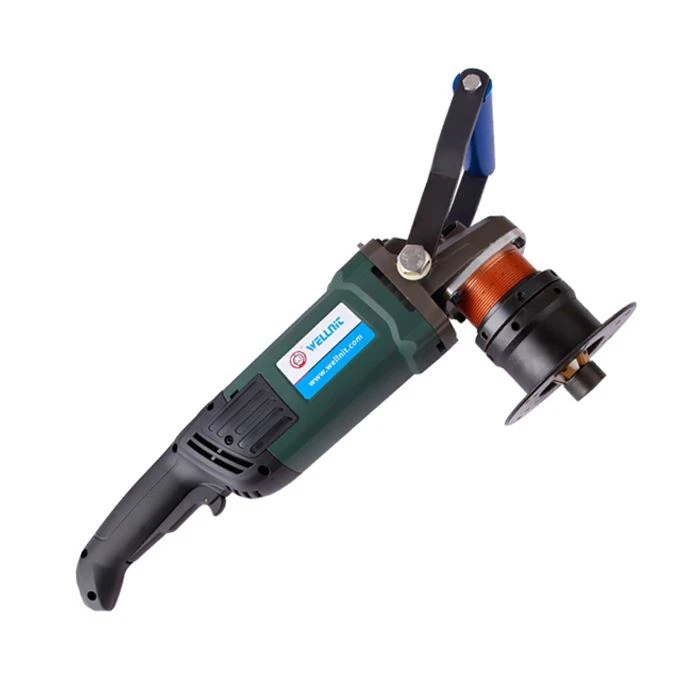
You also need to consider the strength requirements of the final product. If the structure needs to withstand a lot of stress, a deeper bevel may be necessary to create a stronger weld.
Conclusion
In conclusion, the beveling angle range of a plate beveling machine can vary depending on the type of machine. Multifunctional beveling machines offer a wide range from 15 to 60 degrees, pneumatic chamfering machines have a range of 20 to 45 degrees, and straight beveling machines typically cover 30 to 50 degrees.
When choosing a plate beveling machine, it's important to consider your specific project requirements. Think about the beveling angle range you need, the type of material you'll be working with, and the type of weld you'll be performing.
If you're in the market for a plate beveling machine and have any questions about the beveling angle range or which machine is right for you, don't hesitate to reach out. We're here to help you make the best choice for your business. Whether you're a small fabrication shop or a large manufacturing company, we have the right plate beveling machine for you. Contact us today to start the procurement process and take your beveling operations to the next level.
References
- Metal Welding Handbook
- Plate Beveling Machine Manufacturer's Guides


