


A stationary beveling machine is a crucial piece of equipment in various industries, especially in the manufacturing and processing of pipes and metal components. It is designed to create precise bevels on the edges of workpieces, which are essential for welding, fitting, and ensuring the overall quality of the final product. As a supplier of stationary beveling machines, understanding the monitoring system of these machines is vital for both us and our customers. In this blog, we will delve into what the monitoring system of a stationary beveling machine is and its significance.
The Basics of a Stationary Beveling Machine
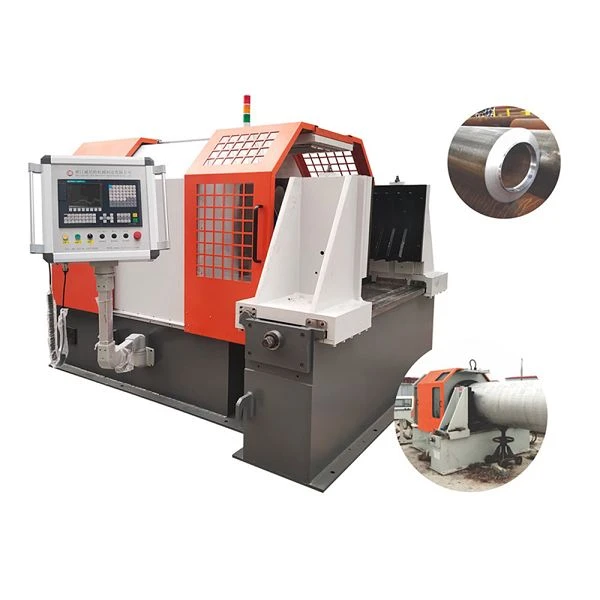
Before we explore the monitoring system, let's briefly understand what a stationary beveling machine does. A stationary beveling machine is typically used to bevel the ends of pipes or other cylindrical workpieces. It can create different types of bevels, such as single bevels, double bevels, and J-bevels, with high precision and repeatability. Our company offers a range of stationary beveling machines, including the HEM - 1000 CNC Pipe Beveling Machine, HEM - 1200 CNC Pipe Beveling Machine, and HEM - 400 CNC Pipe Beveling Machine, each designed to meet specific customer requirements.
Components of the Monitoring System
The monitoring system of a stationary beveling machine consists of several key components that work together to ensure the machine operates efficiently and safely.
1. Sensor Technology
Sensors play a crucial role in the monitoring system. There are different types of sensors used in stationary beveling machines:
- Position Sensors: These sensors are used to monitor the position of the cutting tool and the workpiece. They ensure that the bevel is being created at the correct location and angle. For example, linear position sensors can accurately measure the movement of the tool along the pipe's length, while angular position sensors can monitor the rotation of the tool head to achieve the desired bevel angle.
- Force Sensors: Force sensors are used to measure the cutting force exerted by the tool on the workpiece. By monitoring the cutting force, the system can detect if there is an abnormal increase in force, which could indicate a problem such as a dull cutting tool or a misaligned workpiece. This helps prevent tool breakage and ensures consistent bevel quality.
- Temperature Sensors: Temperature sensors are installed near the cutting tool and other critical components of the machine. They monitor the temperature during the beveling process. Excessive heat can cause damage to the cutting tool and affect the quality of the bevel. If the temperature exceeds a certain threshold, the monitoring system can trigger an alarm or adjust the cutting parameters to prevent overheating.
2. Control Unit
The control unit is the brain of the monitoring system. It receives data from the sensors and processes it to make decisions about the machine's operation. The control unit can adjust the cutting speed, feed rate, and other parameters based on the sensor readings. For example, if the force sensor detects an increase in cutting force, the control unit can reduce the feed rate to prevent tool damage. It also stores the operating data of the machine, which can be used for analysis and troubleshooting.
3. Display and Interface
The display and interface are used to provide operators with real - time information about the machine's operation. The display shows the current cutting parameters, sensor readings, and any alarms or warnings. Operators can use the interface to input the desired bevel specifications, such as the bevel angle, width, and depth. They can also access the machine's operating history and perform diagnostic tests.
Functions of the Monitoring System
The monitoring system of a stationary beveling machine serves several important functions:
1. Quality Control
One of the primary functions of the monitoring system is to ensure the quality of the beveled workpieces. By continuously monitoring the cutting process, the system can detect any deviations from the desired bevel specifications. For example, if the bevel angle is not within the acceptable tolerance, the system can alert the operator and make adjustments to correct the problem. This helps reduce the number of defective products and improves the overall quality of the production.
2. Safety Assurance
Safety is a top priority in any industrial operation. The monitoring system helps ensure the safety of the operators and the machine. It can detect abnormal operating conditions, such as overheating, excessive vibration, or tool breakage, and immediately stop the machine to prevent accidents. The system also provides warnings and alarms to alert the operator when there is a potential safety hazard.
3. Efficiency Improvement
The monitoring system can improve the efficiency of the beveling process. By optimizing the cutting parameters based on the sensor readings, the machine can operate at its maximum efficiency. For example, it can adjust the cutting speed and feed rate to minimize the cutting time while maintaining the quality of the bevel. This helps increase the production output and reduce the overall production cost.
4. Predictive Maintenance
The monitoring system can also be used for predictive maintenance. By analyzing the operating data collected by the sensors, the system can predict when a component is likely to fail. For example, if the temperature sensor shows a gradual increase in the temperature of a bearing over time, it could indicate that the bearing is wearing out. The system can then schedule maintenance before the bearing fails, reducing downtime and maintenance costs.
Benefits for Our Customers
As a supplier of stationary beveling machines, the advanced monitoring system in our products offers several benefits to our customers:
1. Higher Productivity
With the monitoring system optimizing the cutting process, our customers can achieve higher production rates. The ability to quickly detect and correct any problems during the beveling process reduces the time spent on rework and troubleshooting, allowing for more efficient use of the machine.

2. Cost Savings
The predictive maintenance feature of the monitoring system helps our customers save on maintenance costs. By preventing unexpected breakdowns, they can avoid costly repairs and downtime. Additionally, the improved quality control reduces the number of defective products, which also saves on material and labor costs.
3. Ease of Use
The user - friendly display and interface make it easy for operators to use the machine. They can quickly access the information they need and make adjustments to the cutting parameters without extensive training. This improves the overall usability of the machine and reduces the learning curve for new operators.
Conclusion
The monitoring system of a stationary beveling machine is a complex and essential part of the machine. It consists of sensors, a control unit, and a display and interface that work together to ensure the quality, safety, and efficiency of the beveling process. As a supplier of stationary beveling machines, we are committed to providing our customers with high - quality machines equipped with advanced monitoring systems. If you are interested in learning more about our stationary beveling machines or have any questions about the monitoring system, please feel free to contact us for further discussion and potential procurement.
References
- Industrial Machinery Handbook, 3rd Edition
- Pipe Beveling Technology Research Papers, various authors


