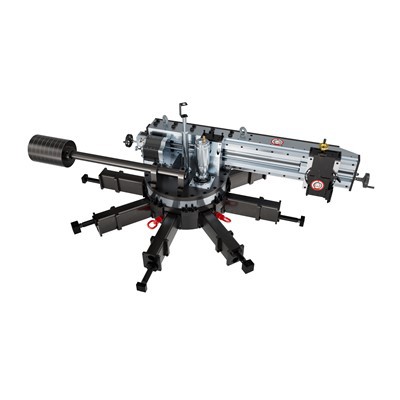
When it comes to industrial operations, the use of a portable flange facing machine is crucial for ensuring the proper sealing and connection of flanges. As a supplier of portable flange facing machines, I understand the importance of safety in every aspect of using these machines. In this blog, I will discuss the safety precautions that should be taken when using a portable flange facing machine.
Pre - operation Safety Checks
Before starting to use the portable flange facing machine, a series of pre - operation safety checks are necessary.
Machine Inspection
First, thoroughly inspect the machine for any visible damage. Check the body of the machine for cracks, dents, or other structural issues. Examine the cutting tools; they should be sharp and free from chips or excessive wear. A dull or damaged cutting tool can not only affect the quality of the flange facing but also pose a safety hazard as it may cause the machine to jam or vibrate uncontrollably. For example, if a cutting tool has a small chip, it can break off during operation and fly out, potentially injuring the operator.


Inspect the power source. If it is an electric - powered machine, check the power cord for any fraying or exposed wires. Ensure that the plug is in good condition and that the machine is properly grounded. For hydraulic - powered machines, check the hydraulic hoses for leaks, cracks, or bulges. A leaking hydraulic hose can lead to a loss of pressure, affecting the machine's performance and also presenting a slip hazard if the hydraulic fluid spills on the floor.
Work Area Preparation
The work area should be clean and free from clutter. Remove any loose objects, tools, or debris that could interfere with the operation of the machine or cause the operator to trip. Mark the work area clearly to prevent unauthorized personnel from entering. If the work is being done in an industrial environment with other machinery operating nearby, ensure that there is enough space for the operator to move freely around the portable flange facing machine without being at risk of colliding with other equipment.
Check the stability of the surface on which the machine will be placed. The surface should be level and strong enough to support the weight of the machine during operation. If the surface is uneven, the machine may vibrate excessively, which can affect the accuracy of the flange facing and also increase the risk of the machine tipping over.
Personal Protective Equipment (PPE)
Wearing the appropriate personal protective equipment is non - negotiable when using a portable flange facing machine.
Eye Protection
Safety glasses or goggles are essential. During the flange facing process, small metal chips and debris are generated. These can fly into the operator's eyes, causing serious injuries such as corneal abrasions or even permanent vision loss. Make sure the eye protection is ANSI - compliant and provides a good seal around the eyes to prevent any particles from entering.
Hearing Protection
The operation of a portable flange facing machine can be quite noisy. Prolonged exposure to high - level noise can lead to hearing loss. Earplugs or earmuffs should be worn to reduce the noise level reaching the ears. Choose hearing protection that has an appropriate Noise Reduction Rating (NRR) based on the noise level generated by the machine.
Hand Protection
Heavy - duty gloves should be worn to protect the hands from cuts, abrasions, and burns. The gloves should be made of a material that can withstand the sharp edges of the cutting tools and the heat generated during the flange facing process. They should also provide a good grip on the machine controls to ensure safe operation.
Foot Protection
Steel - toed boots are necessary to protect the feet from falling objects, such as tools or machine parts, and from being crushed in case the machine tips over. The boots should also have slip - resistant soles to prevent the operator from slipping on the work surface, especially if there is any oil or hydraulic fluid present.
Respiratory Protection
If the flange facing process generates dust or fumes, appropriate respiratory protection should be worn. For example, if the flange is made of a material that produces harmful dust when cut, such as asbestos - containing materials (although their use is highly restricted), a respirator with the appropriate filtration capacity should be used.
Operation Safety
During the operation of the portable flange facing machine, several safety measures should be followed.
Machine Setup
Properly mount the machine on the flange. Follow the manufacturer's instructions carefully to ensure a secure and accurate installation. Make sure all the clamps and fasteners are tightened properly. An insecurely mounted machine can move during operation, leading to inaccurate flange facing and potentially causing the machine to fall or the cutting tools to break.
Set the correct cutting parameters, such as the cutting speed, feed rate, and depth of cut. These parameters depend on the material of the flange, the type of cutting tool, and the desired finish. Incorrect cutting parameters can not only damage the machine and the flange but also increase the risk of accidents. For example, if the cutting speed is too high, the cutting tool may overheat and break.
Operator Positioning
The operator should stand in a stable and safe position. Avoid standing directly in the path of the cutting tools or in a position where flying debris can hit them. Keep a safe distance from the rotating parts of the machine. If the machine has a long reach, make sure the operator has a clear view of the cutting area at all times.
Monitoring the Operation
Continuously monitor the machine during operation. Listen for any unusual noises, such as grinding or rattling, which may indicate a problem with the machine. Watch for any signs of overheating, such as smoke or a burning smell. If any abnormalities are detected, stop the machine immediately and investigate the cause.
Emergency Stop
Familiarize yourself with the location of the emergency stop button on the machine. In case of an emergency, such as a sudden jam or a dangerous situation, be able to quickly press the emergency stop button to shut down the machine.
Post - operation Safety
After the operation is completed, there are still important safety steps to take.
Machine Shutdown
Follow the proper shutdown procedure. Turn off the power source, whether it is electric or hydraulic. Release any pressure in the hydraulic system if applicable. Allow the machine to cool down before performing any maintenance or cleaning.
Machine Cleaning
Clean the machine thoroughly to remove any metal chips, dust, and debris. Use appropriate cleaning tools, such as brushes and compressed air. Make sure to clean all the hard - to - reach areas, including the cutting tool holders and the moving parts. A clean machine not only operates more efficiently but also reduces the risk of corrosion and mechanical failures.
Storage
Store the machine in a dry and secure place. Protect it from dust, moisture, and physical damage. If the machine is not going to be used for an extended period, consider covering it with a protective cover.
Conclusion
Using a portable flange facing machine safely is of utmost importance. By following the pre - operation checks, wearing the appropriate PPE, adhering to operation safety measures, and taking proper post - operation steps, the risk of accidents can be significantly reduced. As a supplier of portable flange facing machines, I am committed to providing high - quality machines and also educating our customers on safety. If you are interested in our Manual Flange Machine or other portable flange facing machines, please feel free to contact us for more information and to discuss your procurement needs.
References
- "Industrial Machine Safety Handbook"
- Manufacturer's manuals for portable flange facing machines
- OSHA (Occupational Safety and Health Administration) guidelines on machine operation safety